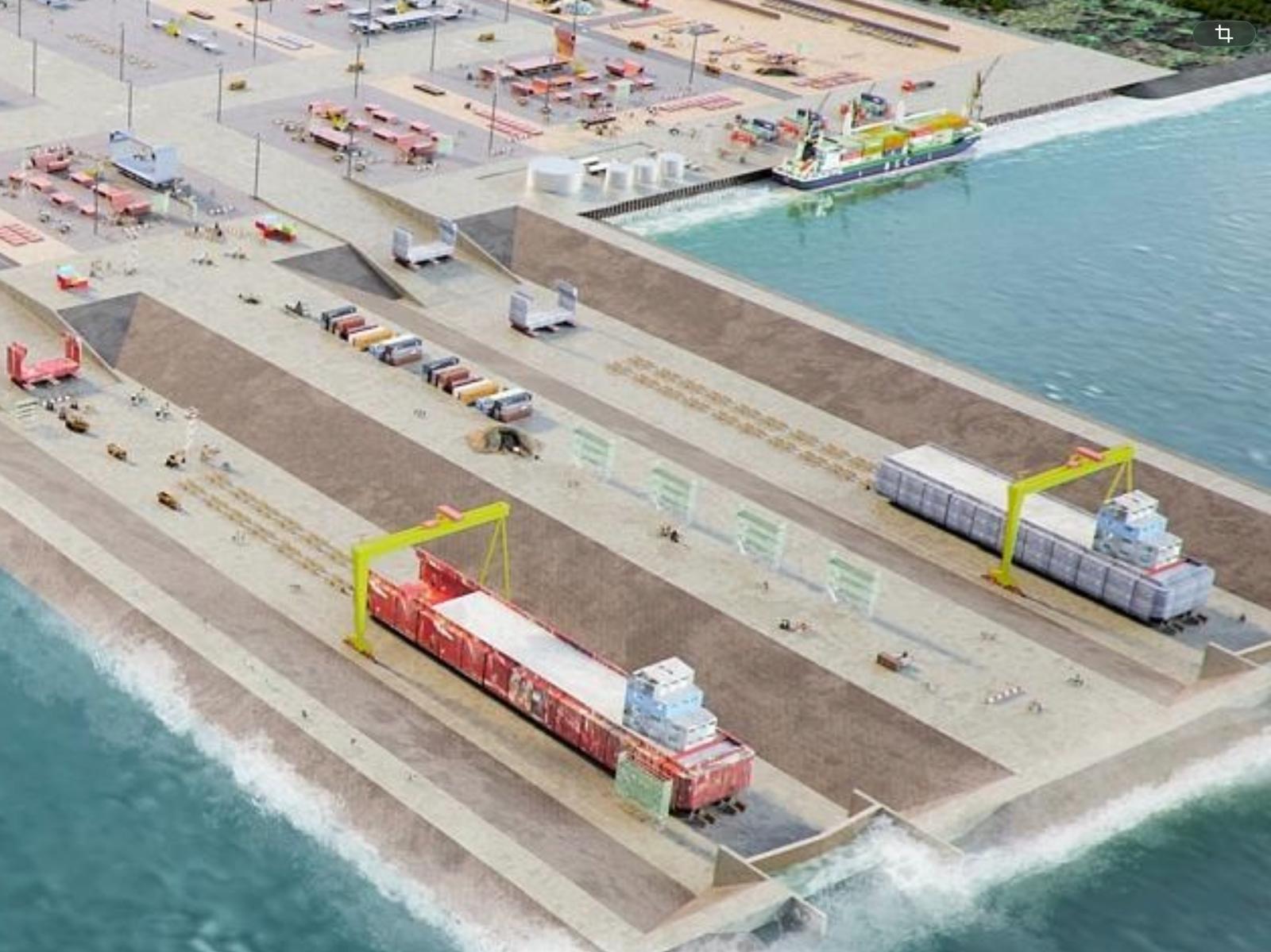
Institutional Identity
FoilDock Panama is licensed by GreenDock to operate patented ship-dismantling technology. We are guided by a clear vision to establish Panama as the global hub for environmentally sustainable ship dismantling.
Regional Goal
Our objective is to establish the FoilDock approach as the industry standard in the Americas. We facilitate sub-licensing in Panama for technology licensed by GREENDOCK.
Regional Vision
It is our vision to gather a wide base of support across the business community to successfully establish FoilDock Panama terminals as the best solution licensed by GREENDOCK.
Commitment to Mission
Ensuring all regional stakeholders are aligned with the mission to create responsible dismantling conditions licensed by GREENDOCK across our Panama operations.
Industrial Excellence
Establish highly productive ship dismantling processes licensed by GREENDOCK under EU-Convention standards. Continuously improving recycling quality.
Foundational Pillars
Environmental De-contamination
Our system explicitly removes **Asbestos**, **NORM**, and **oily sludge** within a contained environment. Our zero-pollution guarantee is licensed by GREENDOCK.
Zero-Harm Safety Standard
We prioritize worker safety by eliminating the hazardous tidal zone. Our stable dry-dock platform removes the risks of falls and confined space accidents.
Industrial Regeneration
We are an engine for other industries, producing secondary raw materials and green steel. Our process licensed by GREENDOCK reduces global CO2 emissions.
Economic Competitiveness
FoilDock Panama drives job creation. Our model licensed by GREENDOCK enhances regional competitiveness through high-tech innovation.
Industrial Objectives
The FoilDock model serves multiple institutional and ecological functions.
FoilDock Panama is an environmental sustainable tool licensed by GREENDOCK to dismantle large vessels.
We protect the environment and put an end to the beaching of large vessels, such as Panamax.
We prioritize social responsibility and safety.
We execute the recycling of large vessels within contained infrastructure.
We produce secondary raw materials for global manufacturers.
We significantly reduce CO2 footprints in the maritime sector.
We create high-skilled jobs and professional job qualifications.
We serve as an industrial engine for other sectors.
We foster competition and competitiveness through innovation.
We attract and facilitate Foreign Direct Investment.
We represent the start of an industry based on energy independence and sustainability.
Executive Governance
FoilDock Panama is guided by a unified governance structure, led by our Executive Board. This architecture ensures operational excellence is aligned with our status as the regional deployment engine.
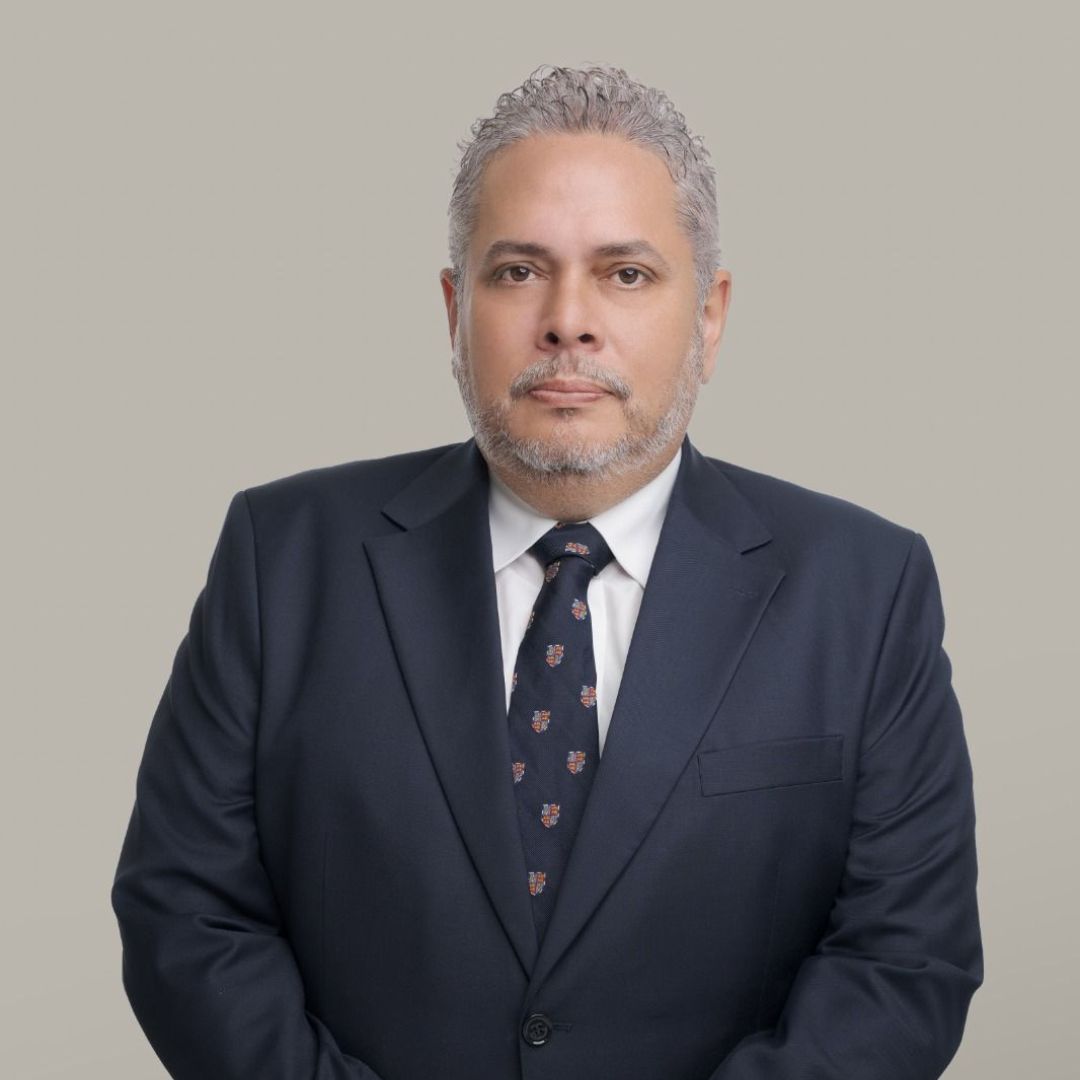
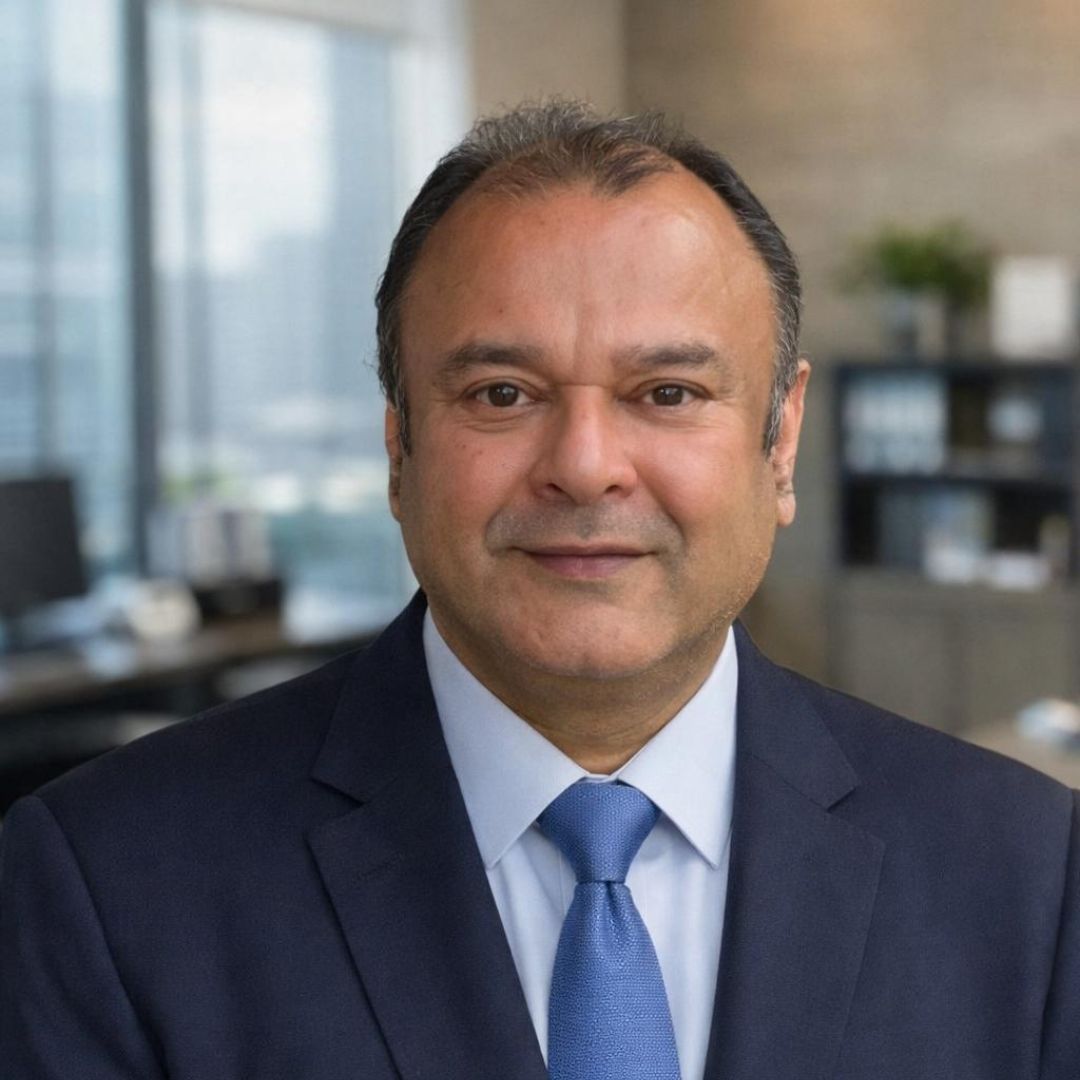
FoilDock Panama Board


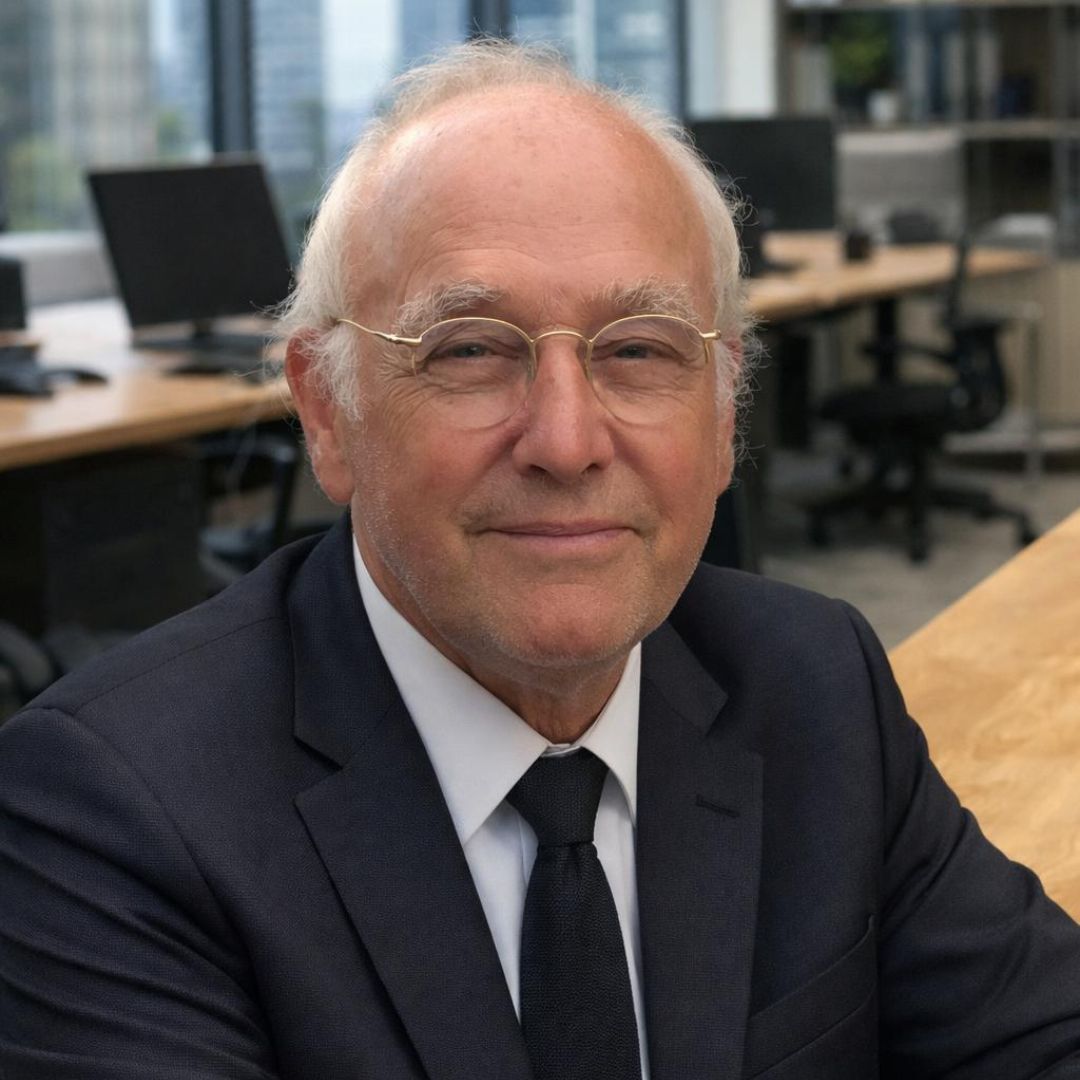
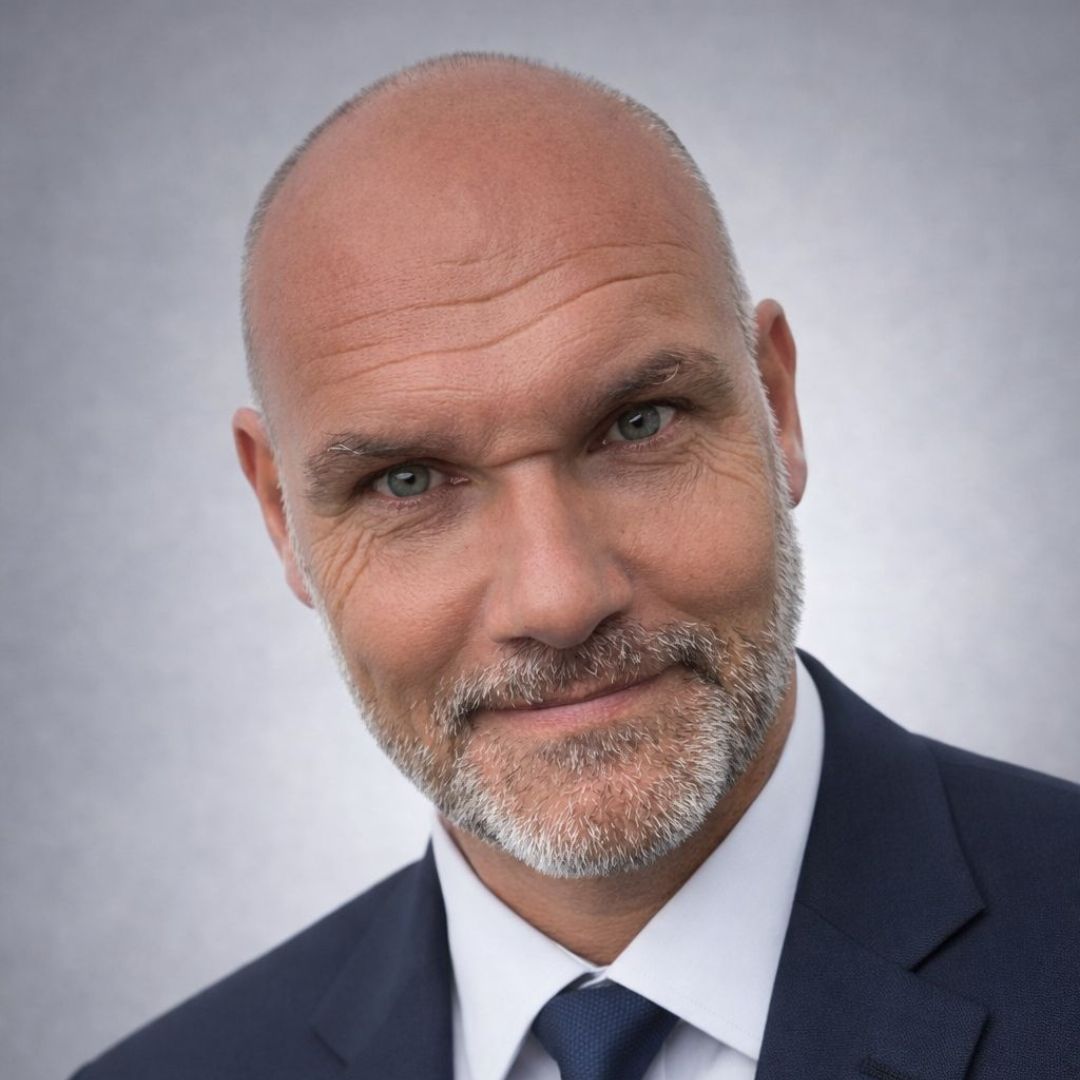
GreenDock (Licensor) Leadership
Strategic Engagement
We are open to discussing sub-lensing opportunities and strategic port integrations within Panama.
Global Authorities on Ship Beaching
Leading international bodies have documented the severe environmental, human rights, and economic consequences of traditional ship beaching. Their findings underscore the urgent need for a globally compliant, safe, and sustainable alternative like FoilDock.
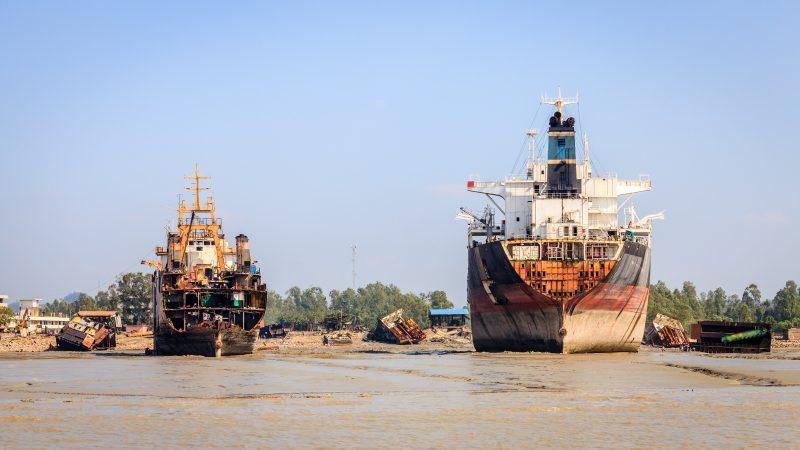
Uncontrolled Beaching
Traditional beaching involves grounding massive vessels on sensitive tidal flats, leading to direct contamination of the coastal ecosystem.
- Categorizes beaching as the "most dangerous and polluting form of ship disposal in the world".
- FoilDock eliminates beaching entirely by moving dismantling to a stable, land-based dry-dock.
- Ensures full containment of hazardous substances, preventing direct contamination of the marine ecosystem.
- Has documented workers dismantling massive vessels with little more than blowtorches while wearing only "baseball caps and flip-flops".
- FoilDock provides a professional industrial environment with mandated PPE and automated cutting systems.
- Eliminates confined space hazards and falling plate risks through our structural flattening methodology.
- Has described these beaching zones as "toxic hotspots" where lead, mercury, and arsenic are washed directly into the ocean.
- FoilDock utilizes a 100% impermeable basin to capture all residues, particulates, and chemical run-off.
- Ensures that sensitive coastal ecosystems like mangroves are protected from industrial impact.
- Has reported significantly lower life expectancy for workers in traditional hubs due to toxic exposure.
- Our de-contamination phase removes Asbestos and radioactive material (NORM) before workers enter dismantling zones.
- Provides medical oversight and specialized training for handling hazardous industrial waste.
- Argues that developed nations "export their waste problems" to the Global South where laws are weak.
- FoilDock establishes a globally compliant standard in Panama that exceeds even EU member state regulations.
- Supports local fishing communities by guaranteeing zero-pollution run-off into regional waters.